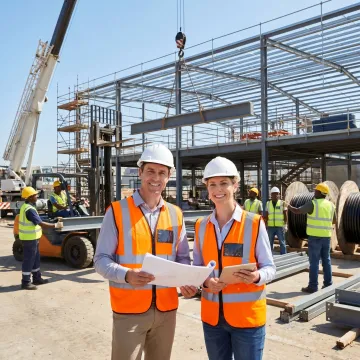
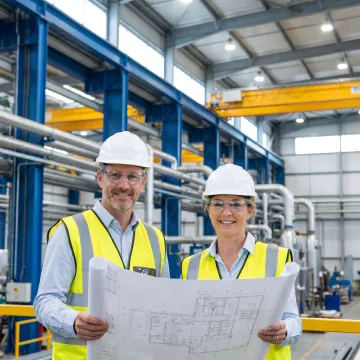
What is industrial construction management?
Industrial construction management is the planning, coordination, and oversight of complex industrial building and equipment projects from early budgeting through startup. It typically includes scheduling, contractor coordination, procurement support, safety oversight, quality control, and management of mechanical, electrical, structural, and equipment-related scopes so the project stays aligned with cost, timeline, and operational goals.
What does an industrial construction management company do?
An industrial construction management company organizes the people, trades, equipment, and timelines required to complete industrial projects efficiently. Services often include project planning, budgeting, sequencing, field supervision, subcontractor coordination, safety management, fabrication oversight, equipment installation planning, and startup support. The goal is to reduce delays, improve accountability, and keep construction aligned with production requirements and facility standards.
When should I hire industrial construction management services?
You should bring in industrial construction management as early as possible, ideally during concept development or preconstruction. Early involvement helps with budgeting, scheduling, constructability review, scope coordination, and risk reduction before field work begins. This is especially valuable for greenfield projects, plant expansions, equipment-intensive upgrades, relocations, and phased work where production continuity and trade coordination are critical.
What types of projects benefit most from industrial construction management?
The greatest value usually comes on projects with multiple technical scopes, tight schedules, or operational constraints. Examples include plant expansions, equipment foundations, process piping installations, electrical upgrades, facility retrofits, relocations, demolition and rebuilds, and turnkey manufacturing projects. Any job requiring coordination between construction, mechanical, electrical, fabrication, and startup teams can benefit from centralized management.
How does turnkey project management reduce risk?
Turnkey project management reduces risk by placing responsibility for coordination under one lead team rather than spreading it across disconnected vendors. That helps limit communication gaps, duplicated costs, scheduling conflicts, and scope disputes. With one management structure overseeing planning through startup, clients typically gain clearer accountability, fewer handoff problems, and better control over timelines, budgets, and execution quality.
Can industrial construction management help avoid production downtime?
Yes. A strong industrial construction management team plans work around operating conditions, shutdown windows, safety requirements, and equipment dependencies to minimize disruption. Sequencing, staging, and coordination are especially important in active facilities where construction must coexist with production. Proper planning can reduce interruptions, protect critical operations, and support smoother transitions during upgrades, relocations, or startup activities.
How are industrial construction management projects priced?
Pricing is usually based on project scope, complexity, schedule demands, number of disciplines involved, and whether the work is advisory, managed, or fully turnkey. Costs may reflect planning, field supervision, coordination, procurement support, and specialty execution requirements. Projects involving heavy equipment, fabrication, regulated environments, or multi-phase scheduling generally require more management resources than straightforward construction scopes.
Does IPS manage projects outside a single local market?
Yes. Industrial Process Services supports projects throughout the United States, Mexico, and Canada. That broader reach is useful for manufacturers with multi-site operations, relocations, cross-border logistics, or standardized project requirements across facilities. IPS also brings experience coordinating specialized scopes such as machinery moving, heavy haul, rigging, fabrication, and startup support within larger industrial project plans.